Maach
Whole fish · Brass plates · Bengali ceremony
Every dish, a memory.
Scroll through the kitchen. Each tile is a course arriving at your table.

Shorshe paste — hand-ground each morning
"ইলিশ মাছের তেল, বাঙালির প্রাণ।"
Hilsa oil is the soul of the Bengali.

The dining room, Friday evening
11
Spices in every jhol
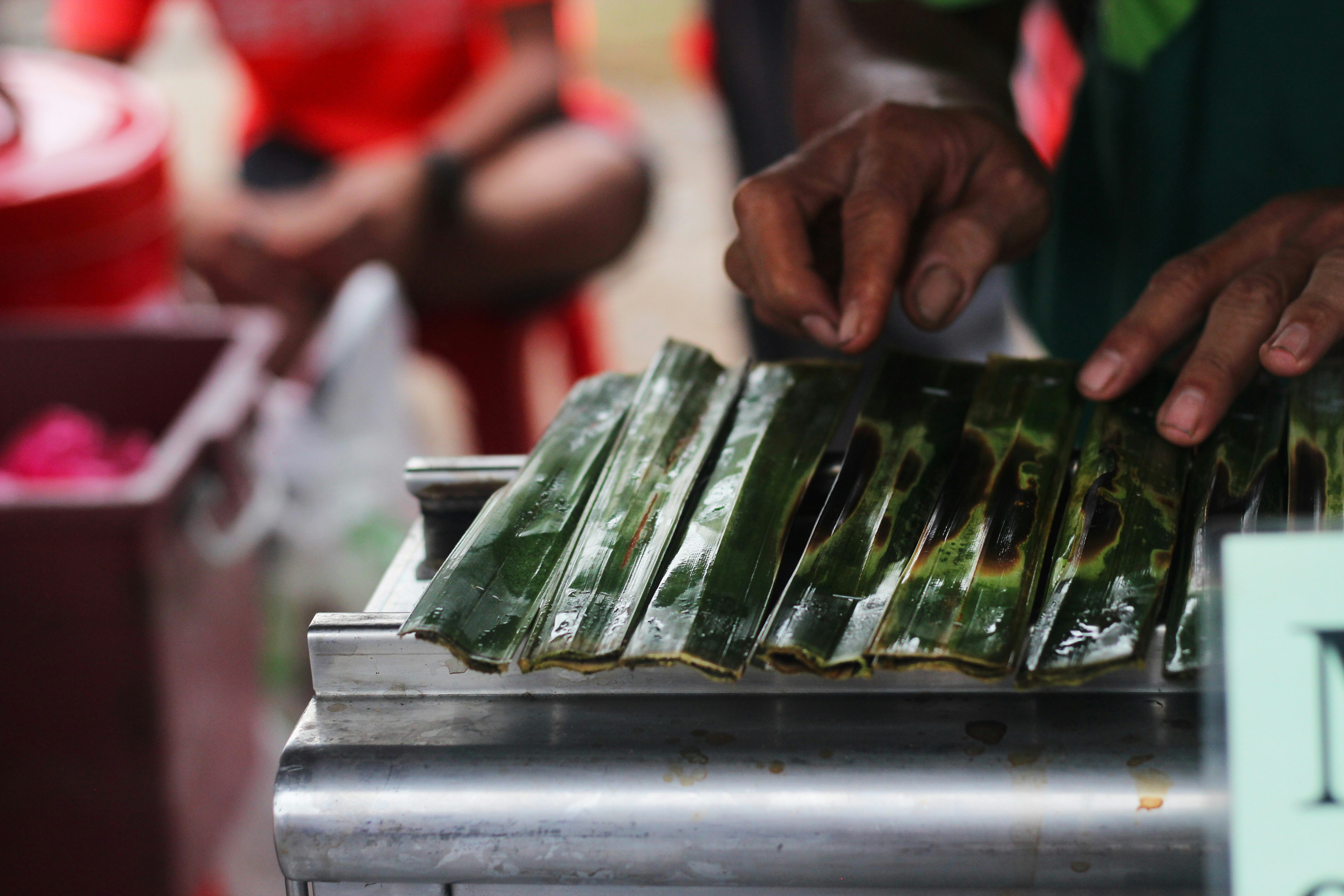
Bhetki paturi — banana-leaf parcel over coals
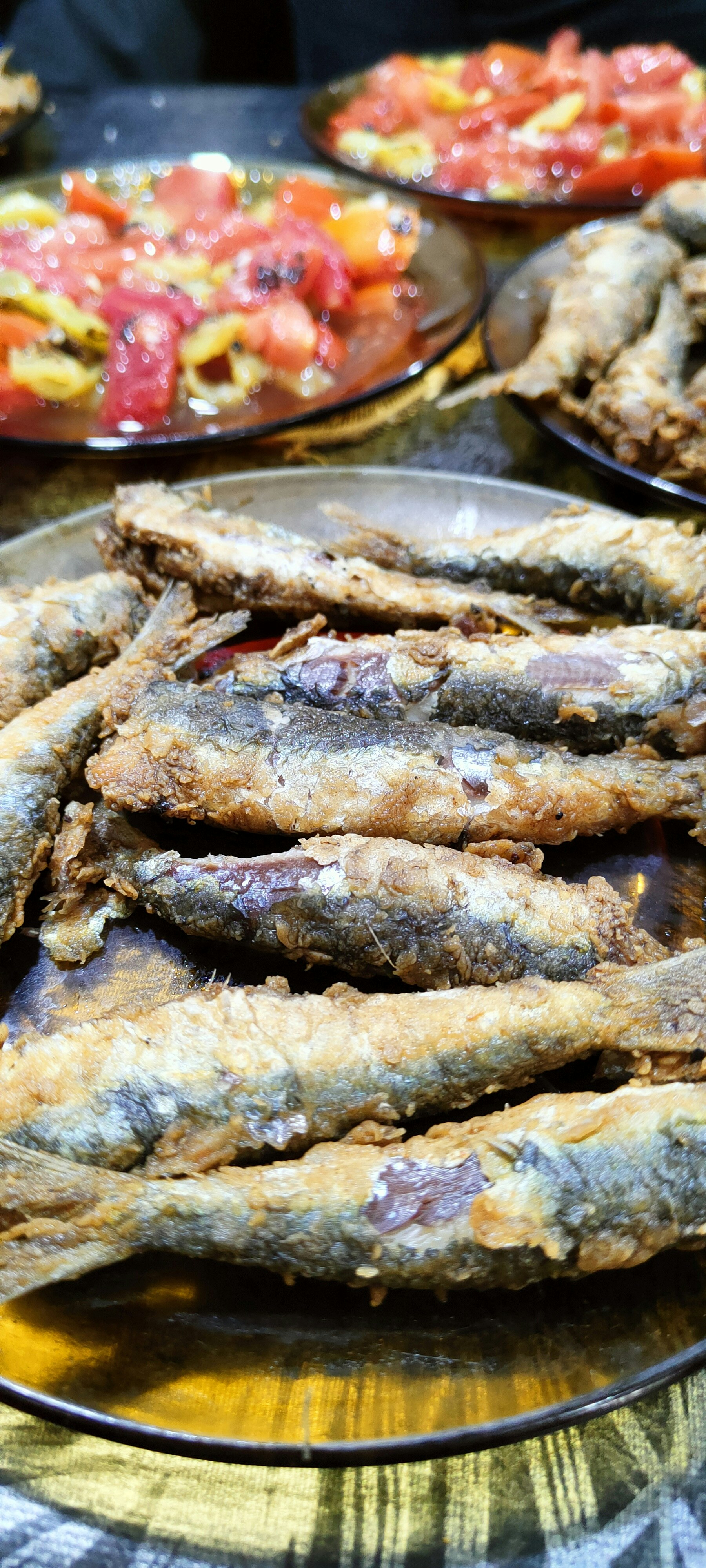
Rui in mustard — slow-cooked 40 minutes
Caught. Not farmed.
Every fish sourced from trusted Bengali fisheries, arriving whole.
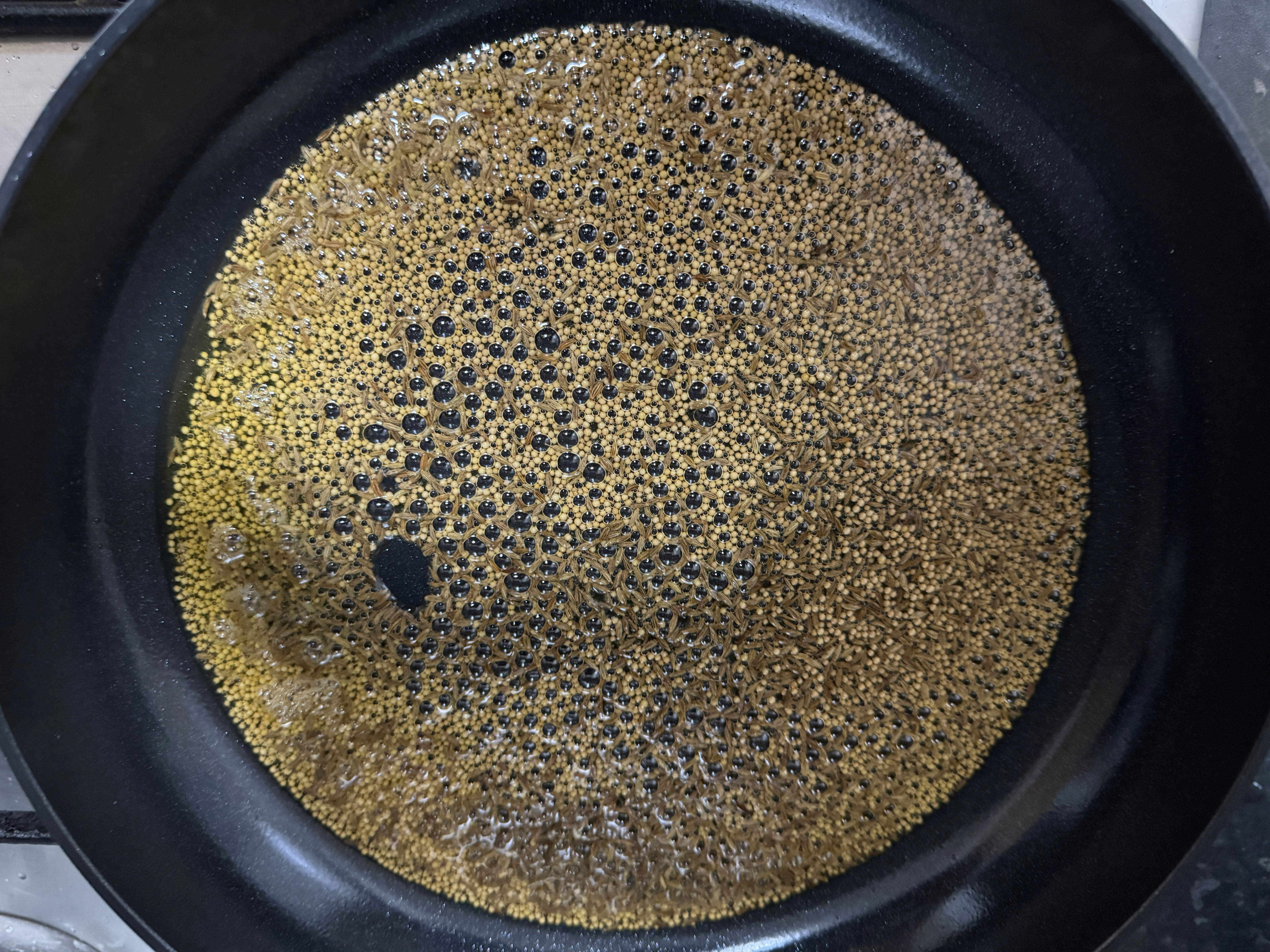
Panch phoron — the five-spice temper
"মাছে ভাতে বাঙালি।"
Fish and rice make a Bengali.

Every dish carries a story
3
Generations of family recipes
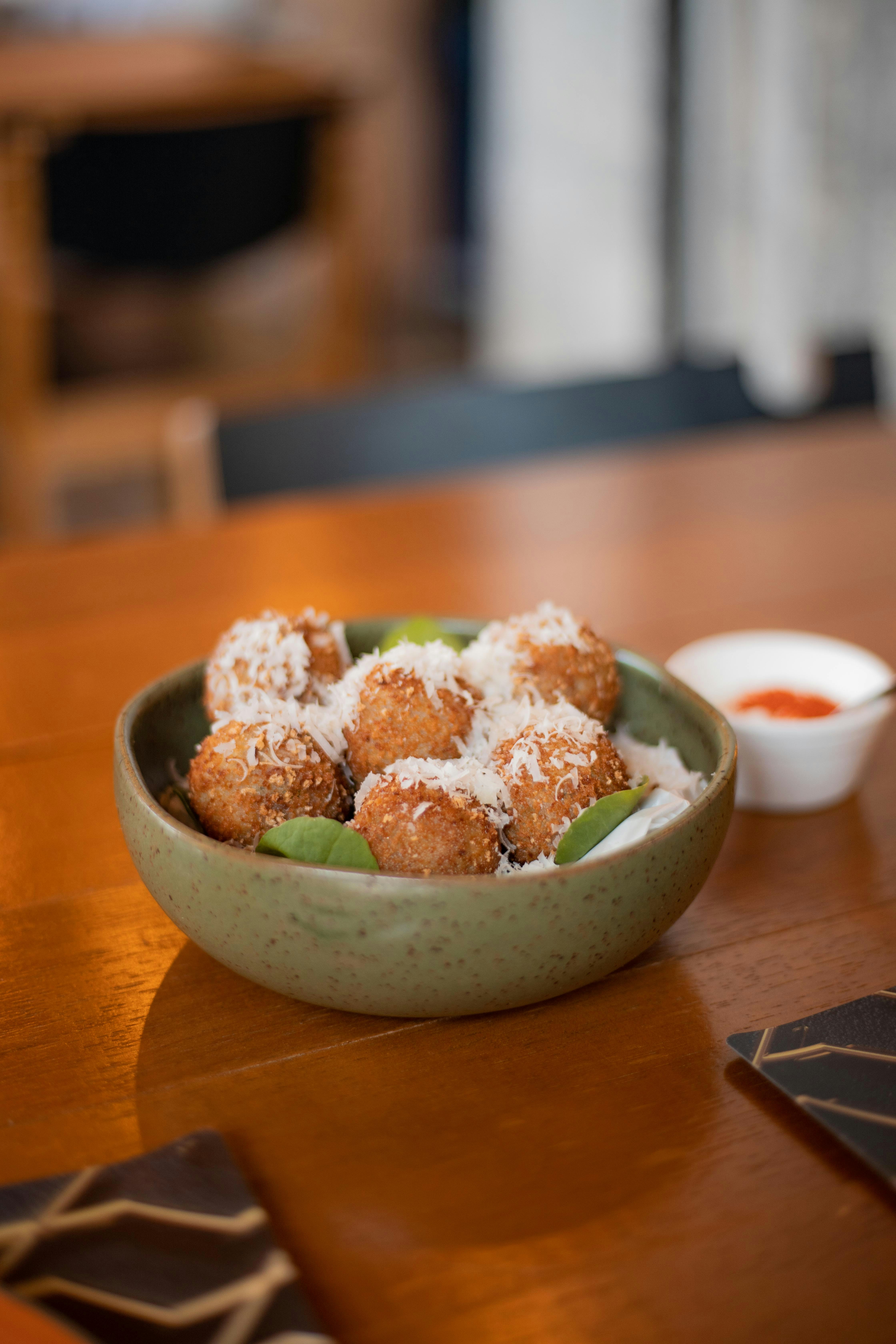
Malai chingri — prawns in coconut cream
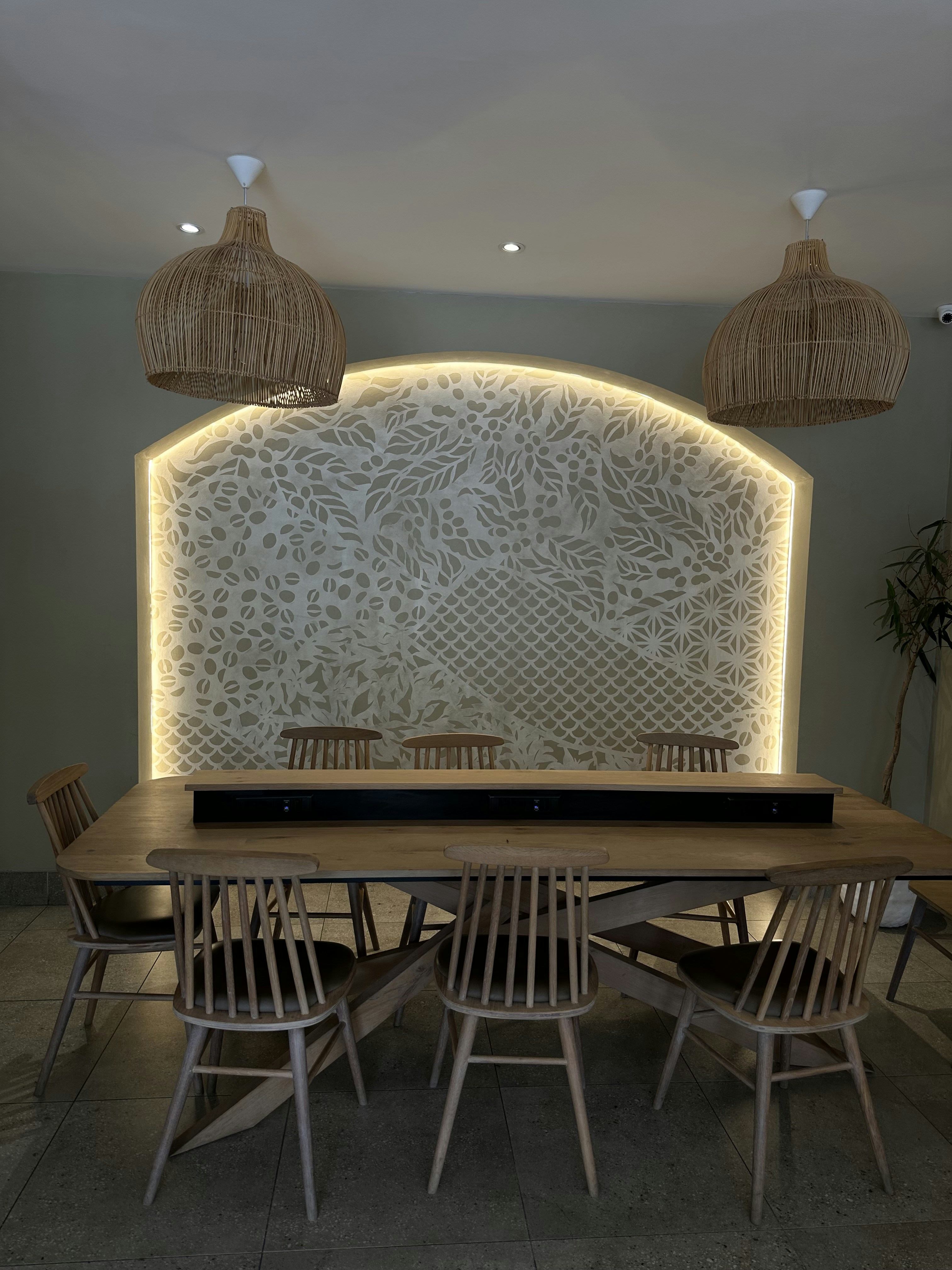
Seats 42 · Open Fri–Sun
Friday evenings, the room fills with the sound of brass on wood.
Pendant lights hang from reclaimed jute rope. Beaten brass plates arrive at the table still warm from the kitchen. The smell of mustard oil and turmeric settles into the room like a memory you didn't know you had.
"I hadn't tasted shorshe ilish like that since my mother's kitchen in Dhaka. I sat there for an hour after finishing."
No shortcuts. No shortcuts.
Three dishes that explain everything.
Not a menu. A progression. From the river to the brass plate.
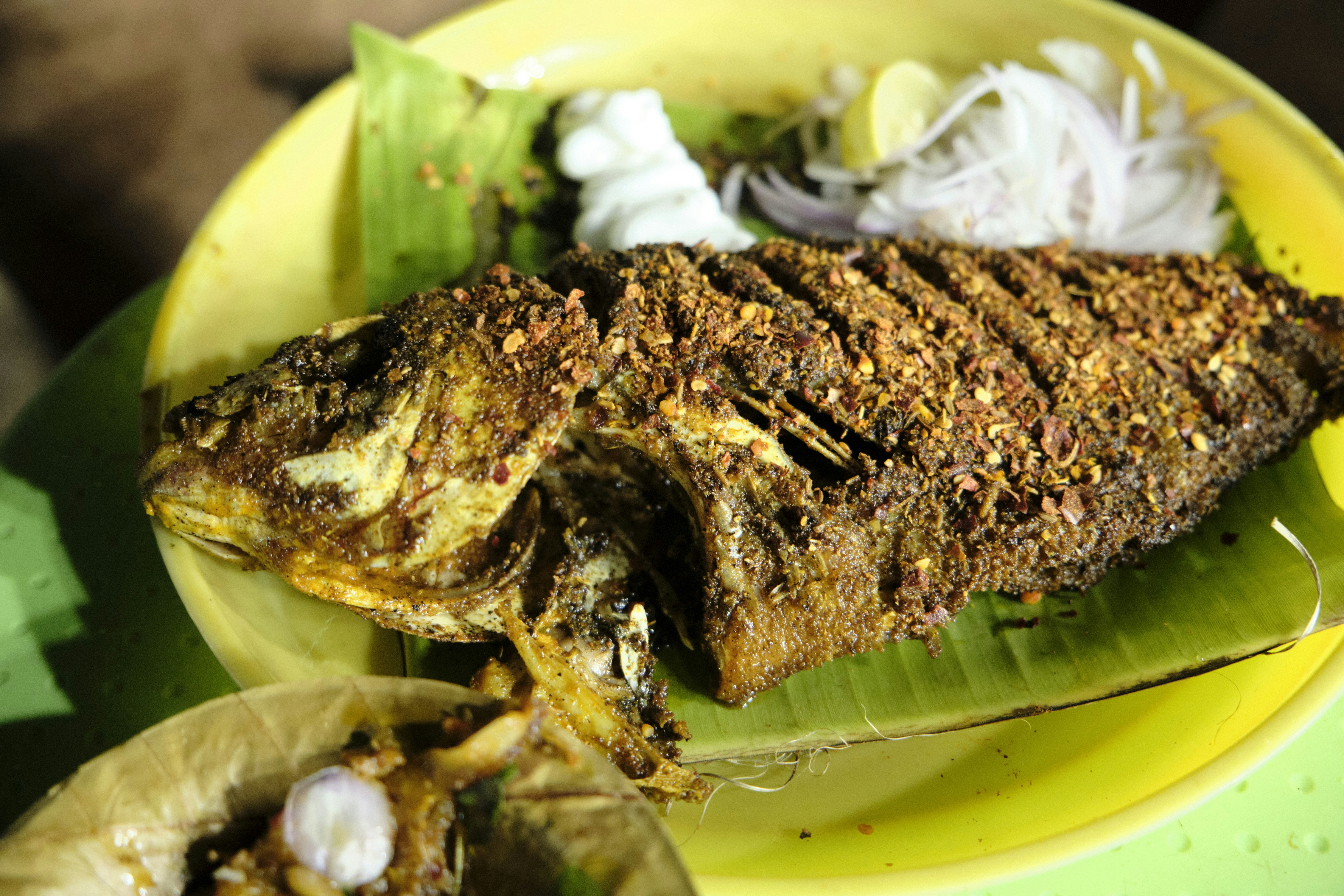
Shorshe Ilish
সর্ষে ইলিশWhole hilsa in hand-ground mustard sauce
The queen of Bengali fish. Hilsa sourced from the Padma river delta, cooked in a paste of yellow and black mustard, green chilli, and turmeric. Served whole on brass.
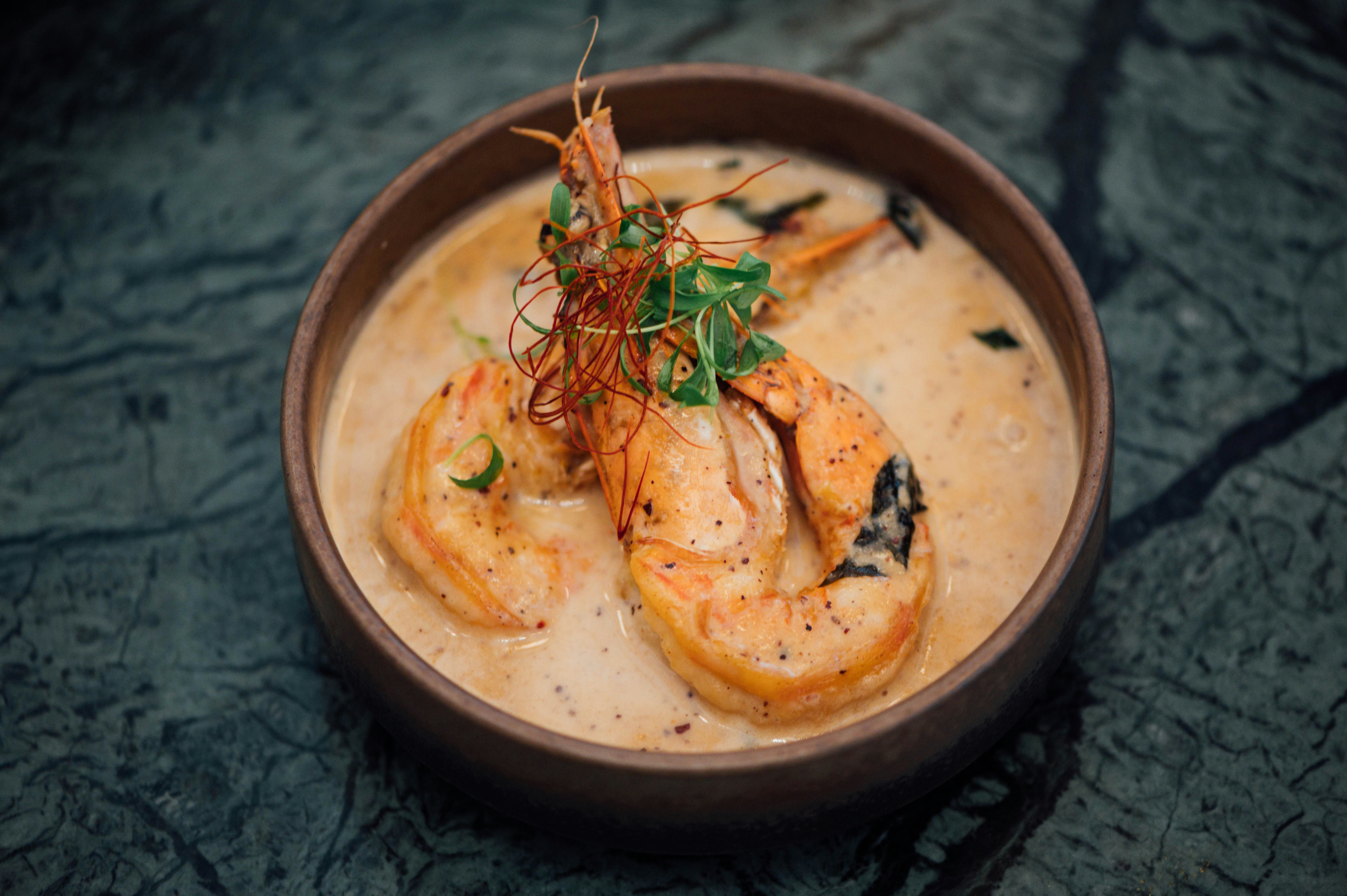
Malai Chingri
মালাই চিংড়িGiant prawns in coconut cream
Tiger prawns from the Sundarbans, braised in fresh coconut milk with a whisper of cardamom and bay leaf. The dish that signals the meal is deepening.
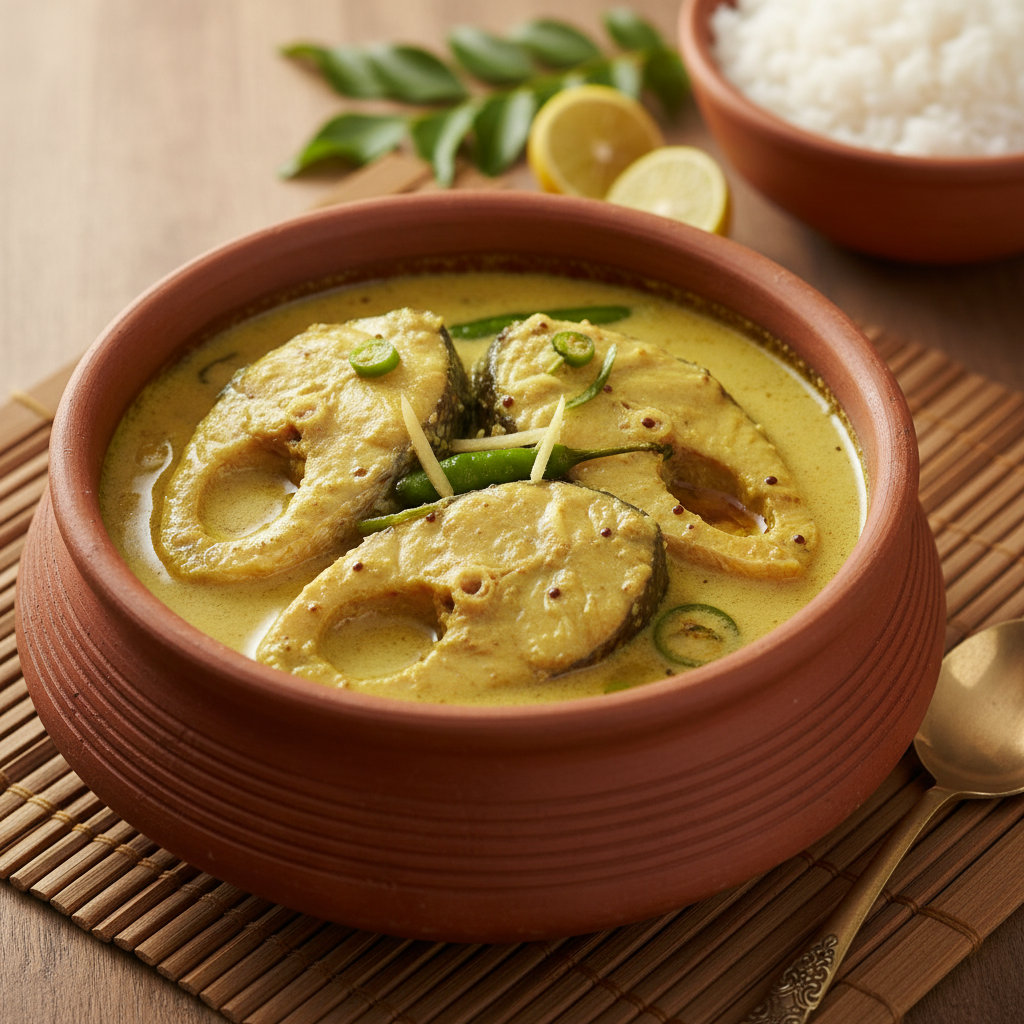
Doi Maach
দই মাছRohu in spiced yoghurt gravy
Thick cuts of rui (rohu) marinated overnight in mustard-spiced yoghurt, then slow-cooked until the gravy turns amber. Your grandmother's Sunday dish.
"থালা চেটে খাওয়া মানে রান্না সার্থক।"
"To lick the plate clean means the cooking was worthy." — Bengali proverb
The meal ends when the brass is clean. We consider that the only review that matters.
A Friday night ritual awaits.
The dining room holds 42. Tables fill by Wednesday. If you can smell the mustard from here, you already know.